Gesponserter Inhalt
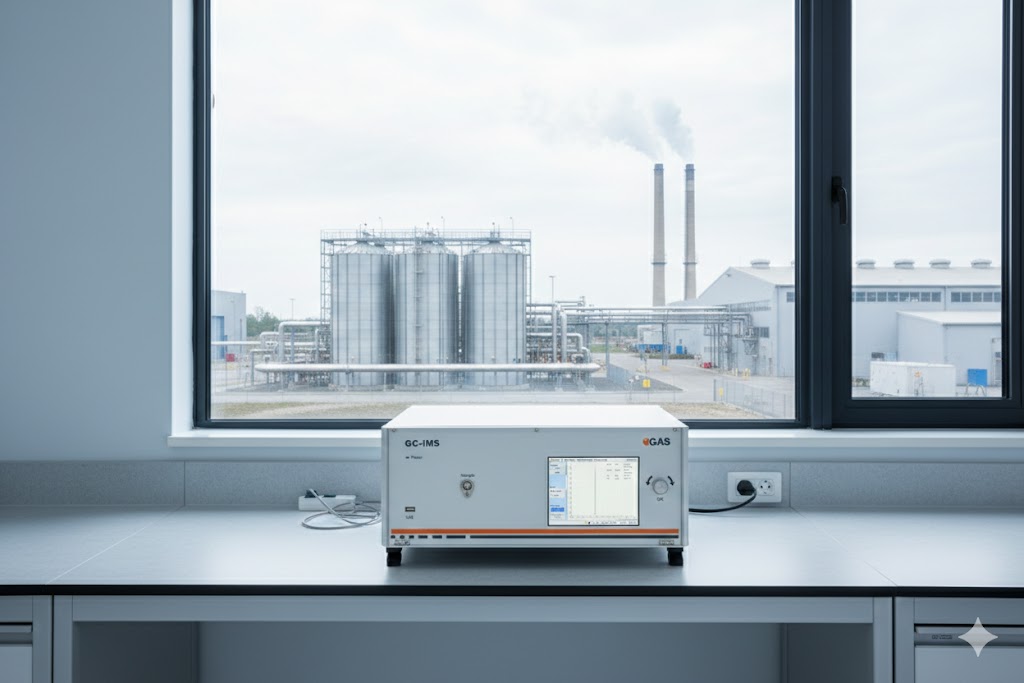
GC-IMS ist nicht mehr "nur" eine interessante Technik für die Geruchsarbeit - es entwickelt sich zur Referenzgrundlage für eine seriöse, vertretbare Umweltgeruchsanalyse. Führende Labore und Berater auf der ganzen Welt fügen es still und leise ihrem Werkzeugkasten hinzu und entdecken, wie viel robuster, schneller und objektiver ihre Geruchsbewertungen werden können. GC-IMS (Gaschromatographie - Ionenmobilitätsspektrometrie) bietet eine 2D-Trennung, eine Empfindlichkeit unterhalb des ppm-Wertes und eine robuste, tragbare Hardware, die dort zum Einsatz kommt, wo das Geruchsproblem wirklich besteht: am Schornstein, an der Grenze, in der Anlage. Mit IMS, das bei Umgebungsdruck mit einer Tritium-Beta-Quelle (IAEA/EURATOM-befreit, keine Lizenz erforderlich) und Reagenzionen auf Wasserbasis arbeitet, vermeiden Sie Vakuumsysteme, Fragmentierung und die damit verbundenen Verdünnungseffekte und erhalten dennoch direkte, hochwertige VOC-Fingerabdrücke, die Sie mit sensorischen Daten korrelieren können.
Jahrelang wurden Geruchsmessgeräte zwar akzeptiert, aber von Betreibern, Aufsichtsbehörden und Nachbarn oft in Frage gestellt, weil es ihnen an chemischer Transparenz mangelt. GC-IMS ändert diese Gleichung, indem es echte VOC-Fingerabdrücke in Gasproben im Sub-ppm-Bereich mit orthogonaler GC+IMS-Trennung misst und eine hohe Selektivität für ein breites Spektrum an flüchtigen Stoffen bietet. Die Geräte sind kompakt und robust, können in mobile Labore oder Lieferwagen mit integriertem Stickstoffgenerator eingebaut werden und benötigen vor Ort nur Netzstrom. Statt abstrakt über "Geruchsbelästigung" zu diskutieren, können Sie zweidimensionale Diagramme, Spitzen und Fingerabdrücke präsentieren, die Quellen und Betriebsbedingungen klar unterscheiden.