There is no translation available.
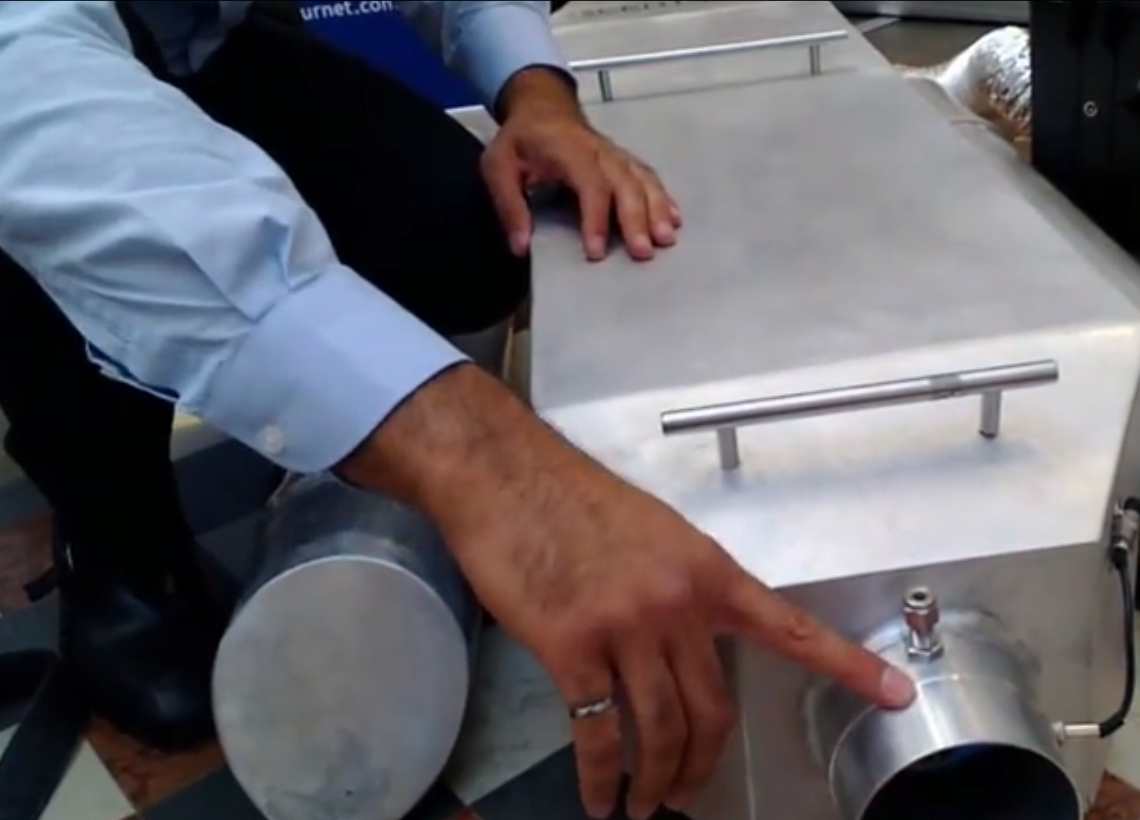 Scentroid, a very active Canadian manufacturer has presented in the recent NOSE 2014 in Venice their new wind tunnel, the SW60. This very light weight wind tunnel for sampling odours is made of aluminium/composite panels and it has a coating inside of PTFE. In addition, the wind tunnel comes with an internal air supply and tubing with an internal rechargeable battery to do the surface sampling in passive sources easier.
The wind tunnel is based on the lindvall design with a few new features to make it easier to use. The package includes the hood, pump, tubing and a battery integrated in a very small case. The hood is made with two walls, so that it prevents the inside part of the wind tunnel to be damaged by a bang against a wall for example.
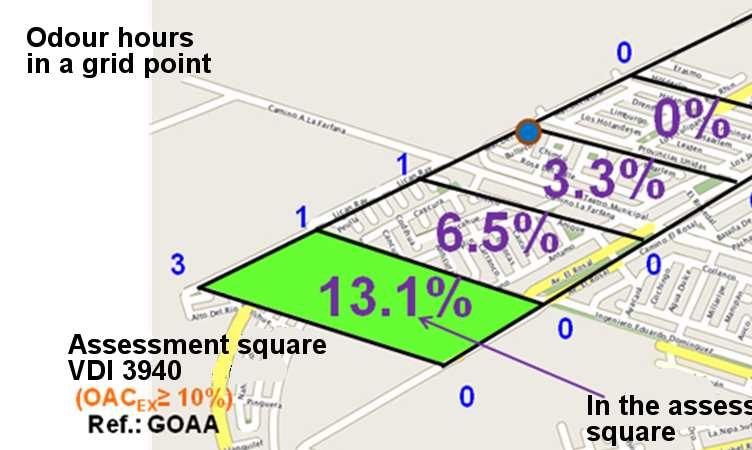 The size and location of the sewage water treatment plant La Farfana, in Santiago de Chile, has implied different requirements in terms of monitoring gas odorant and odour, both inside the plant and in its populated environment. The aim of this work is to present the various gas and odour monitoring systems, measured at the emission sources, as in the places in which receptors are found.
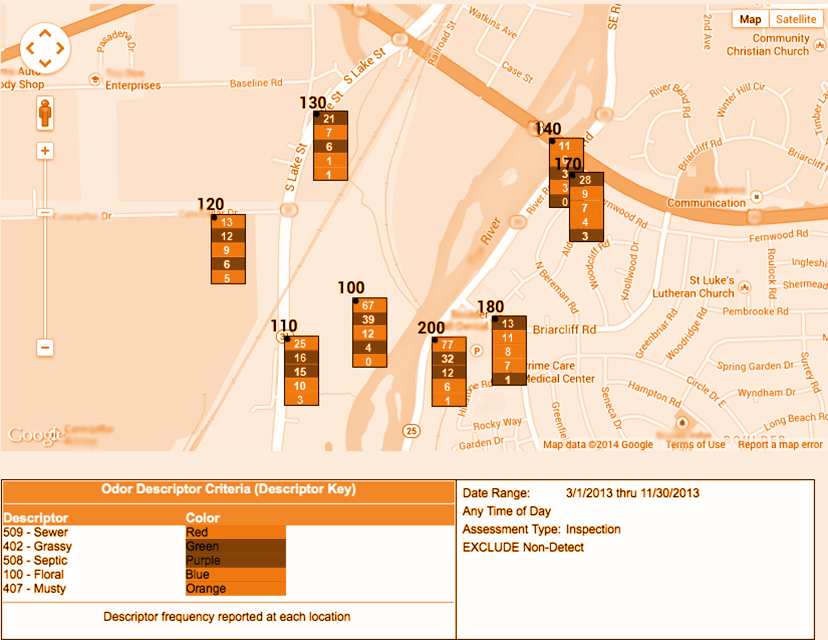 A sewer District in the Southwest of U.S.A. operates a 30 MGD design average flow Activated Sludge and Tertiary Treatment facility (Facility). In 2007 an exploratory odour study was conducted to concentrate on three problem areas (pre-treatment, digesters, and sludge dewatering) to reduce odour emissions in a cost-effective manner.