There is no translation available.
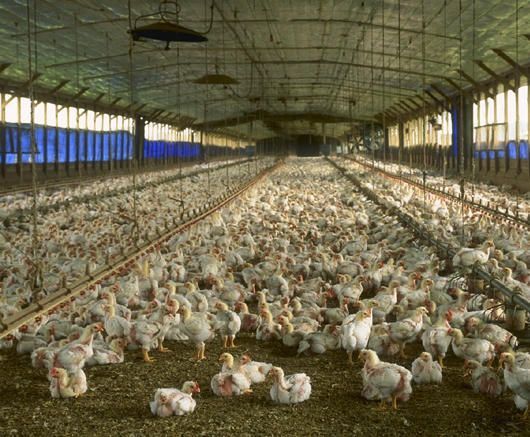 In Castilla y León there are many activities in the livestock and agri-food sector that are susceptible to emit annoying odors. There are also other activities that are dedicated to waste management that sometimes generate annoying odors.
Regarding livestock activities, the control is carried out by the establishment of set-back distances between the farms and the receptors taking into account the direction of the usual winds, presence or other obstacles, etc. without carrying out controls or further actions.
J. Fernández1, M. Rodríguez2 and D. León3
1 Jefe del Servicio de Prevención Ambiental y Cambio Climático de la Consejería de Fomento y Medio Ambiente de la Junta de Castilla y León
2 Técnico del Servicio de Prevención Ambiental y Cambio Climático de la Consejería de Fomento y Medio Ambiente de la Junta de Castilla y León
3 Director del Laboratorio Regional de Calidad Ambiental del Servicio de Prevención Ambiental y Cambio Climático de la Consejería de Fomento y Medio Ambiente de la Junta de Castilla y León
 The last ASTM Committee E18 on Sensory Evaluation of Materials and Products meeting that was hold in the middle of October is over and some documents have been revised and approved for this year. The standards the sensory evaluation of Foods and Beverages and for Beverages Containing Alcohol have been approved and the new texts are already available.
  The Standard Guide for Time-Intensity Evaluation of Sensory Attributes (ASTM E1909) has been reapproved and is now available with the name E1909-13(2017). This standard is developed by the Committee E18.03, who this time decided to leave the text of the document as is.