
There is no translation available.
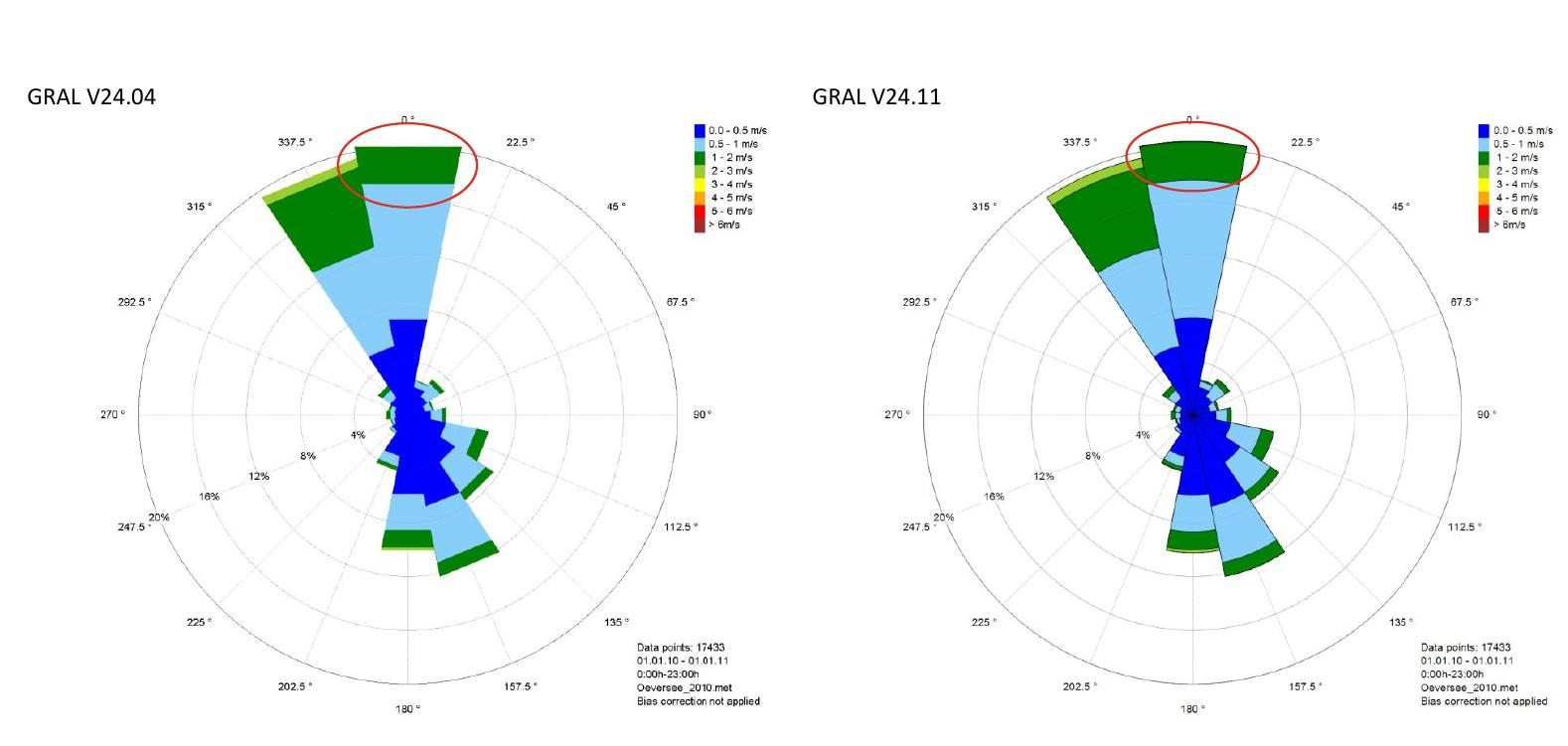
The GRAL Dispersion Model/GUI has been updated to version 24.11, with several new features and critical bug fixes. This release brings enhancements designed to improve user experience and functionality.
The high-resolution model system GRAMM/GRAL, developed at the Institute of Thermodynamics and Sustainable Propulsion Systems at Graz University of Technology, has become a benchmark for dispersion modelling in urban areas, both in scientific research, as well as in regulatory assessments. The model is especially suitable for low-wind speed conditions and complex terrain. An integrated micro-scale flow-field model takes the effect of buildings on pollutant dispersion into account. A new version of this system has been released with the following features:
 A new development on the first worldwide guideline on the assessment of odour exposure by using dispersion modelling will take its first steps. At this stage, there are many initiatives related to dispersion modelling worldwide but there is no specific guideline for odour modelling to our knowledge. This is an initiative promoted by several experts in the area of modelling that will be led by Mr. Günther Schauberger and Ms. Jennifer Barclay. First meeting will take place the 27th of August.