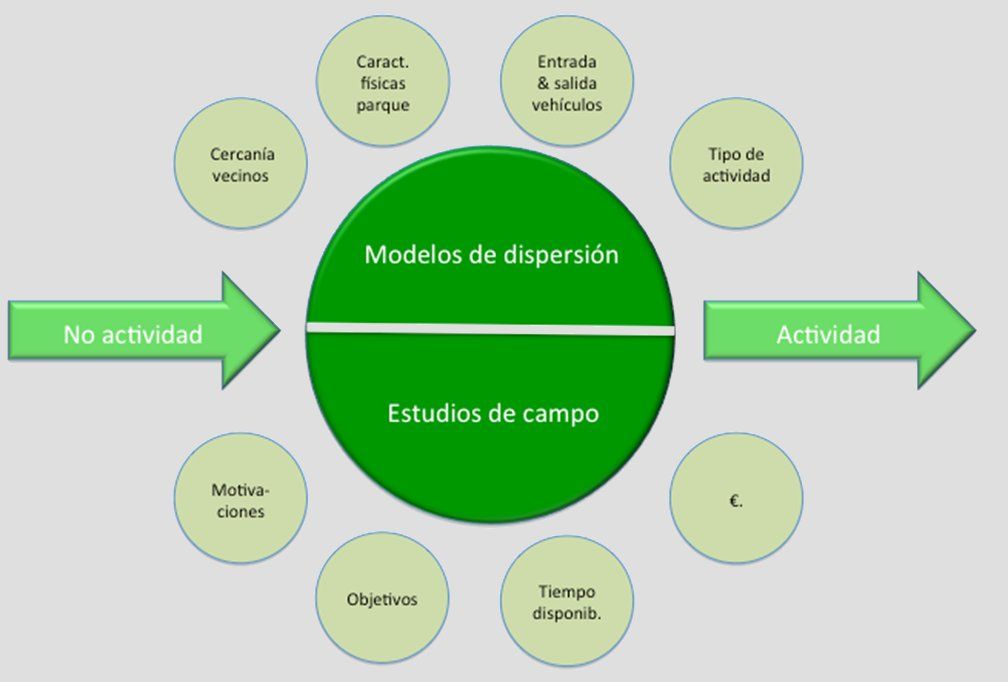
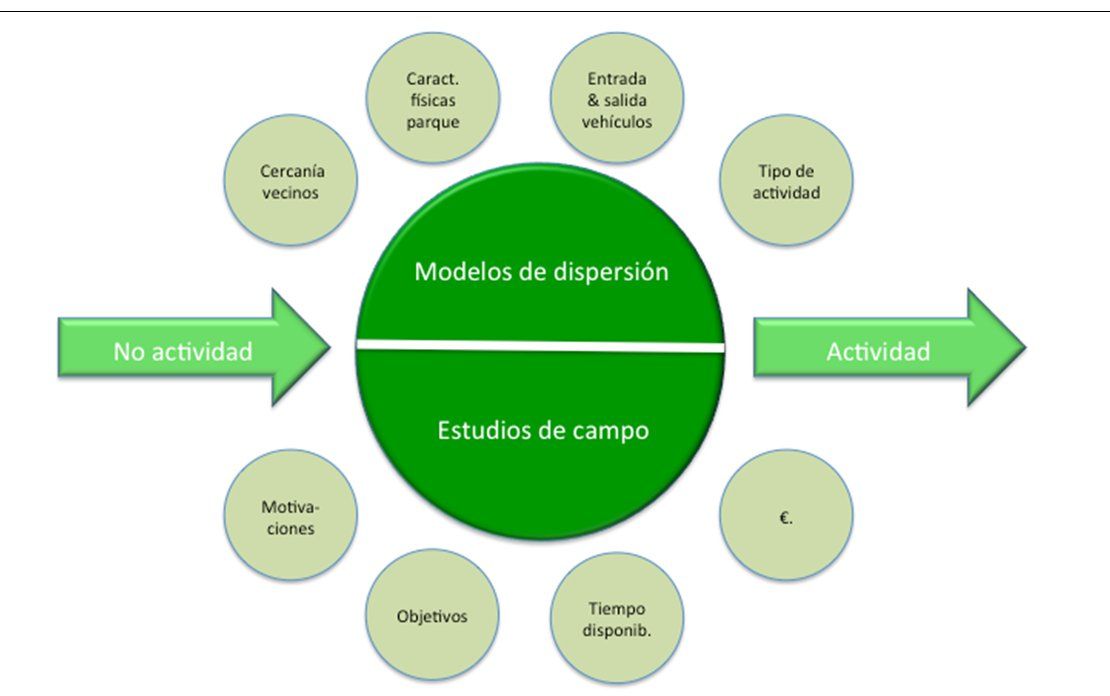
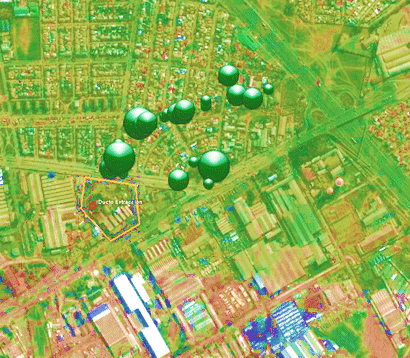
 This article presents the highlights of a study carried out in order to determine the odour impact of a Street Cleaning Station located in the city and surrounded by apartments. Therefore, it shows the selection process of the metholodgy that meets the best the goals of the study, the physical and operational characteristics of the plant, the time available and the Budget.
The results of this study show the need of customising the methodology to each Project, taking into account all the issues that can contribute to odour impact generation. Thanks to this project, the company could convince its neighbours and the Administration that no impact was generated, so the presence of the plant was compatible with the apartments in the building.
- Find this article in other languages:
- Deutsch
- Français
- Español
- Polski
- اللغة العربية
 Abstract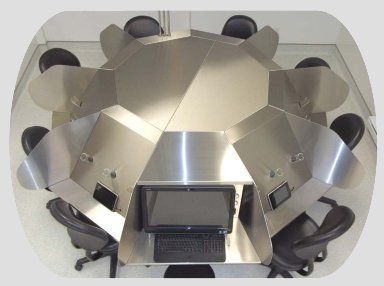
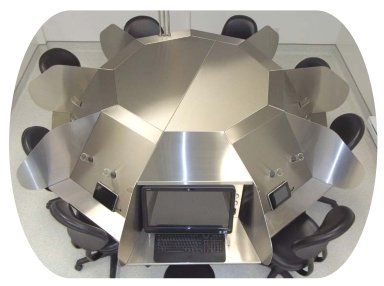 The market of olfactometers is rapidly growing and changing. As we saw in December, a new portable olfactometer named Scentroid SC302 came out and fresh from the bakery. That was a little and nice surprise for all of us and a shot for the olfactometer market dominated at this time by the German makers of the ECOMA TO8. This time, and just a few months after the show up of the Scentroid SC302, we have a new piece of engineering coming to the stage: The Onose-8 ® dynamic dilution olfactometer.