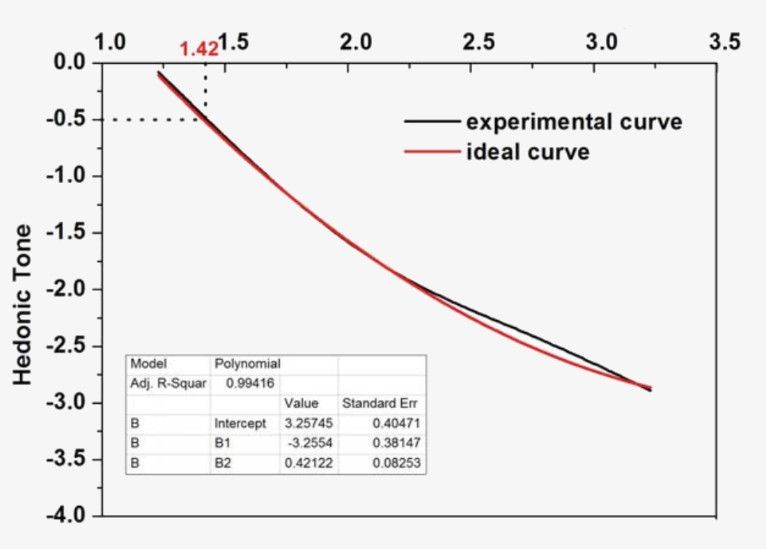
 Analysis of international legislation related to odour impact management shows a wide variety of approaches and limits to tackle odour emissions. One of the most common approaches is setting a limit in odour units at the receptor.
Dynamic olfactometry measurement at the source coupled with dispersion modelling is often used although there are other approaches very much valid, such as field inspections. The Odour Impact Criteria (OIC) set are different, depending, for example, on the hedonic tone of the odours.
C. N. Díaz
Olores.org, Spain
 In December 2019, the European IPPC Bureau published 2 new Best Reference Guidelines (BREFs) for: Food, Drink and Milk Industries and Waste Incineration. These two particular BREFs have something in common, they both include the Odour Management Plan (OMP) as one of the Best Available Techniques (BAT) for odour control and/or monitoring.
 Resolution 1541 of 2013 of the Ministry of Environment and Sustainable Development MINAMBIENTE (Colombia) establishes the air quality or immission standards for the mixture of offensive odors considering the type of activity that generates odors.