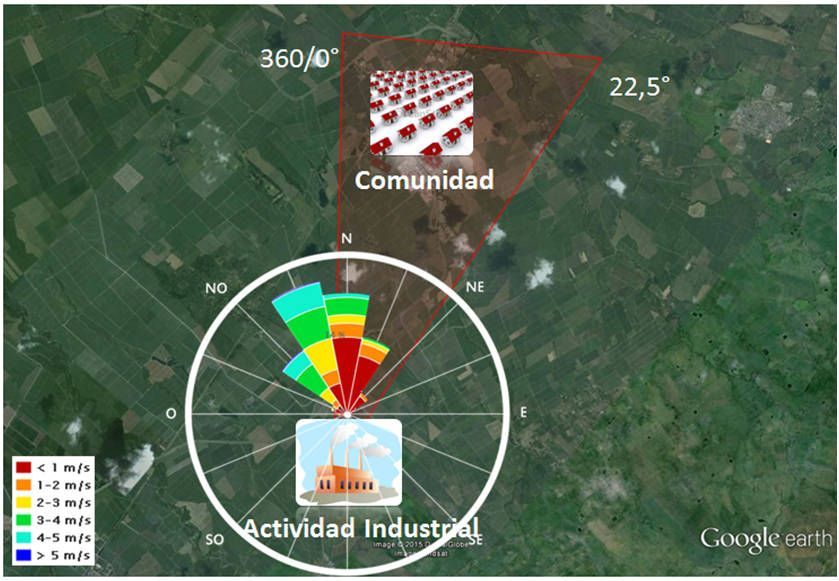
 While there is currently a huge gap between odor and gases, since the smell is a complex mixture of gases which are capable of interact between each other. Therefore various gaseous compounds might generate different odorant stimuli than the single gas compound, so you may consider that monitoring gaseous emissions as a valid alternative as an operational tool.
In this context, Ecometrika has been worked in the development of online monitoring equipment.
H. Vergara 1, V. Zorich 2 and P. Reich 3
Ecometrika, Américo Vespucio 2296, Conchalí. Santiago, Chile
1. Ecometrika - hvergara@ecometrika.com
2. Ecometrika - vzorich@ecometrika.com
3. TSG Chile - preich@tsgchile.cl
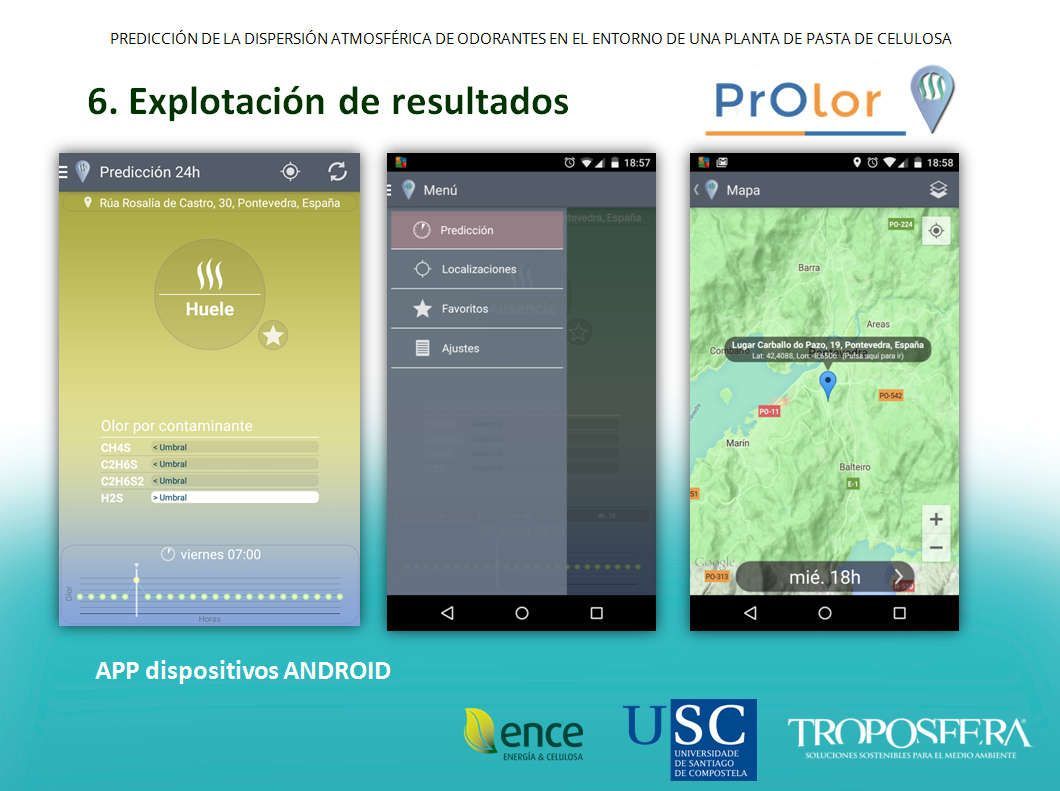 Traditionally, pulp mill plants using Kraft process produce TRS (Total Reduced Sulphur) odorants emissions; this is the case of ENCE-Pontevedra plant.
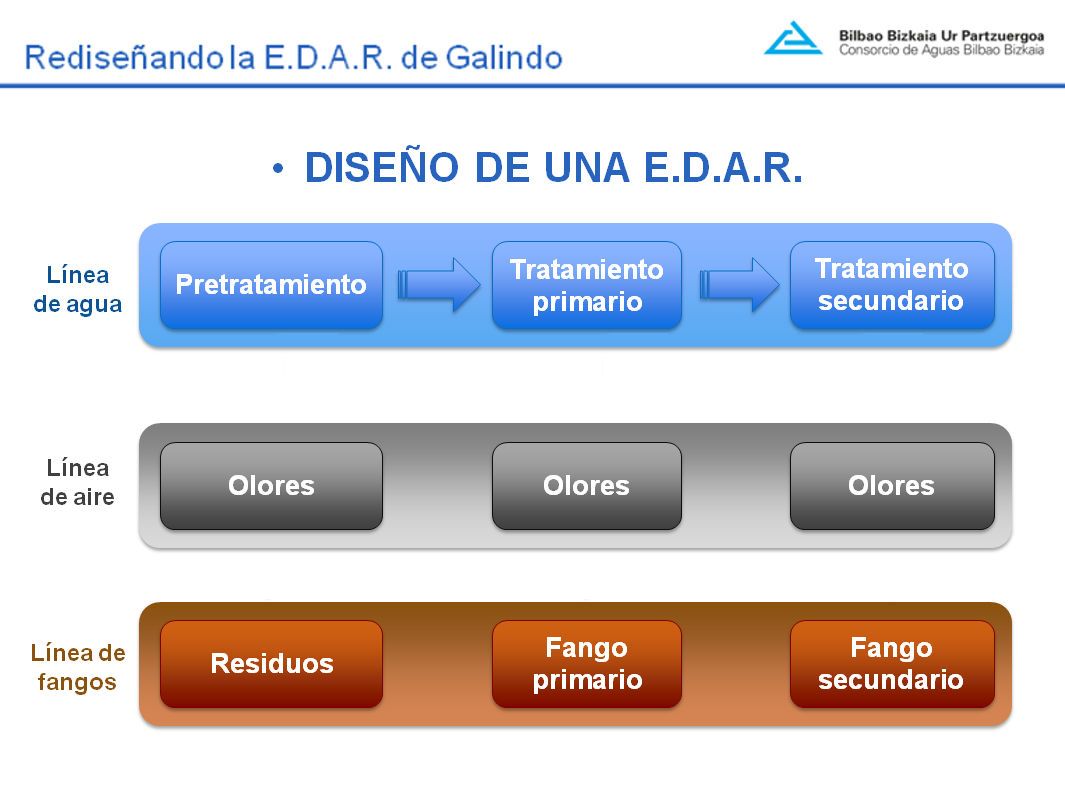 Galindo waste water treatment plant was designed in the 1980s on the plot of a dump in a highly industrialized area. The industrial conversion plan and urban development have remodeled the surrounding landscape, making it an urban established plant, causing conditions to which the plant could not offer solutions.