There is no translation available.
 CALPUFF Version 7.3.1 has been released. This version incorporates an agricultural spraying source type. In addition, several bugs were identified and fixed in Version 7.2.1 including issues with the use of multiple sub-hourly variable emissions files and processing missing layers in AERMET generated .PFL files. This model is out of the list of recommended models of the US EPA but it is the most appropriate under low wind/calm conditions that influence odour impact and with complex terrains.
The CALPUFF Modelling System is a non-steady-state puff dispersion model that simulates the effects of time- and space-varying meteorological conditions on pollution transport, transformation, and removal. In this CALPUFF has been updated to version 7.3.1. CALPUFF is composed of several post-processors. In this new version the post-processors CALPOST, CALSUM and POSTUTIL, have also been updated to allow processing of the new spray source type.
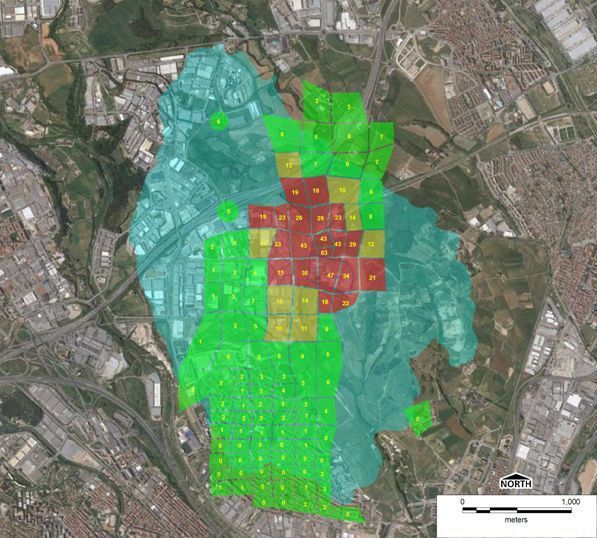 The use of general purpose steady state Gaussian models (e.g. AERMOD) for predicting Odour exposure levels around the vicinity of an industrial site has been considered an accepted practice for many countries around the world for more than a decade now.
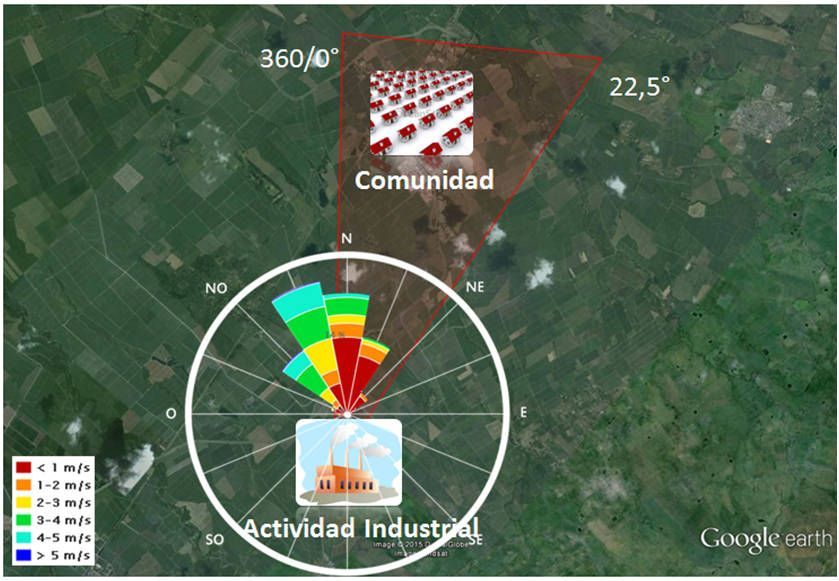 While there is currently a huge gap between odor and gases, since the smell is a complex mixture of gases which are capable of interact between each other. Therefore various gaseous compounds might generate different odorant stimuli than the single gas compound, so you may consider that monitoring gaseous emissions as a valid alternative as an operational tool.